
"roast coffee beans"
30000 article(s) found

Detailed explanation of coffee roasting (Coffee Roasting)
Coffee roasted Coffee Roasting coffee is popular mainly because of the aroma formed after roasting and the taste when drinking. The coffee raw bean itself does not have any special taste, it is roasted to completely change and reorganize the substances inside the raw bean to form a new structure, thus bringing out the mellow flavor of the coffee. Baking tool roaster, divided into three categories: direct fire type, semi-hot air

Are Italian coffee beans suitable for hand-brewing coffee? Deep roasting flavor of Italian coffee beans
Professional coffee knowledge exchange more information about coffee beans Please follow the coffee workshop (Wechat official account cafe_style) when we talk about roasting beans for espresso, we are actually talking about the knowledge of mixed beans. The highest sweet spots of all kinds of coffee beans from different countries appear at different baking points, so roasters must find a balance between roasting and mixing beans.
An important step in roasting high-quality coffee to give birth to strong aroma of coffee
Roasted coffee is the most important place to give birth to the strong aroma of coffee. In the roasting world, there is no barrier-free passport. Americans like shallow roasting and British people like deep roasting. There is no uniform standard for coffee roasting. Have you prepared raw beans and decided to bake coffee beans with exclusive flavor? If not, you might as well use your imagination to follow us into this incense.
Talking about the baking method of coffee beans
The roasting of coffee beans determines the taste of coffee, and the bitter, sour and mellow taste of coffee is determined by roasting. Let's talk about the method of roasting coffee beans.

[roasting knowledge] Coffee roasting apparatus types and roasting degree Coffee Roasting nouns
Coffee roasted Coffee Roasting coffee is popular mainly because of the aroma and taste of roasted coffee. The raw coffee bean itself has no special taste. Roasting completely changes and reorganizes the substances inside the raw bean to form a new structure, thus bringing out the mellow flavor of the coffee. Baking tool roaster, divided into three types: direct fire, semi-hot air direct fire and hot

Note that caffeine in deep roasted beans is higher than that in shallow roasted beans.
Because of the high rate of dehydration and weight loss of deep roasted beans, it is necessary to brew coffee with more coffee beans, resulting in drinking more caffeine, so the caffeine of deep roasted beans is higher than that of shallow roasted beans, which is very important. The melting point of caffeine is as high as 237 degrees Celsius, so the roasted caffeine is almost completely retained and dissolved in the cup. People often mistakenly think that the caffeine of deep-baked beans is lower than that of shallow-baked beans, but it may be just right.

What kind of coffee beans are suitable for light baking and whipping milk?
Deep roasting stage: the darker the color of coffee beans, the sweeter the flavor, when the oil has turned into caramel, bitter back to sweet, endless aftertaste, the most suitable for the strong Italian Espresso, so it is also known as Italian baking. Moderate roasting gives life to the coffee beans and turns them into intriguing sweetness and bitterness. People who are sensitive to caffeine might as well choose deep-roasted beans because
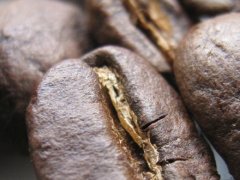
Roasting technology of boutique coffee beans benefits of wood roasting coffee
All coffee roasting machines work on the same principle: heat raw coffee beans, produce physical and chemical changes and turn them into roasted beans. Physical change means that the color of raw coffee beans changes from green to brown, and the shape changes accordingly. Chemical changes are much more complex, which is the process of production, balance and transformation of substances with fragrance, acidity and other odor components.
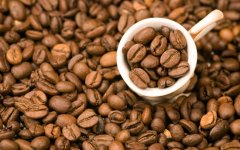
Common sense of coffee roasting Americans like shallow roasting
The Americans like shallow baking, while the British love deep baking. In the baking world, there is no unimpeded passport. Through the burning of the fire, release the aroma of coffee, sprinkle the personality of each fruit-- sour, sweet, bitter, incisively and vividly, from the tasteless raw beans to the mellow aftertaste in the cup-- baking, it is the long journey of every coffee bean.
General knowledge of coffee roasting Coffee roasting apparatus types and roasting degree
The coffee raw bean itself does not have any special taste, it is roasted to completely change and reorganize the substances inside the raw bean to form a new structure, thus bringing out the mellow flavor of the coffee. Coffee roasted Coffee Roasting coffee is popular mainly because of the aroma formed after roasting and the taste when drinking. The coffee raw bean itself does not have any special taste, it is roasted to produce the raw bean.

Shallow roasting coffee beans how to freshly roast coffee beans
Professional coffee knowledge exchange more coffee bean information Please pay attention to the coffee workshop (Wechat official account cafe_style) the degree of roasting of coffee depends on the color of its appearance: light, medium or dark, although this is not the most accurate method to judge the roasting degree. Some coffees are naturally darker or lighter than others, but it is still the most convenient way to judge roasting degree. Choose and buy coffee

How to make coffee what's the difference between roasting and roasting
The beauty and magic of coffee beans can not be said in one or two sentences, such as its origin, picking, processing, baking, cooking and so on. What we are going to discuss now is the roasting of coffee beans, the roasting degree of fine hand-brewed coffee and the roasting degree of mixed espresso. Although coffee beans are rich in thousands of aromatic ingredients, if you don't roast Cui incense properly, you can't wake up coffee.

What does urban roasting mean? Urban roasting refers to the degree of roasting of coffee beans.
Professional coffee knowledge exchange More coffee bean information Please pay attention to coffee workshop (Weixin Official Accounts cafe_style) I. When judging the roasting degree of coffee beans, you can judge the degree of roasting by sound, color and aroma. Its color is from light gray to dark brown, aroma from elegant gradually rich; sound is issued twice burst sound, high temperature resistant raw beans for example, about the seventh minute began

What happens during coffee roasting? coffee bean roasting temperature and time coffee roasting taste
Professional coffee knowledge exchange more coffee bean information please follow the coffee workshop (Wechat official account cafe_style) roasting coffee converts the chemical and physical properties of raw coffee beans into roasted coffee products. The roasting process causes raw beans to expand and change their color, taste, smell and density, resulting in the special flavor of coffee. Unbaked coffee beans and roasted coffee beans contain

The roasting knowledge of coffee beans introduces the roasting process of coffee.
The Americans like shallow baking, while the British love deep baking. In the baking world, there is no unimpeded passport. Through the burning of the fire, release the aroma of coffee, sprinkle the personality of each fruit-- sour, sweet, bitter, incisively and vividly, from the tasteless raw beans to the mellow aftertaste in the cup-- baking, it is the long journey of every coffee bean.

The best time for roasting coffee beans. Roasting degree of concentrated roasted coffee beans
The best time for roasting coffee beans is concentrated roasting coffee beans roasting process: after roasting at more than 200 degrees Celsius, the water begins to evaporate, the volume will expand, the weight will be reduced, the deeper the baking, the more weight loss. Another phenomenon is that during baking, coffee beans release carbon dioxide, and the roasted cooked beans will continue to exhaust within 30 days.

What is the chemical reaction in the roasting process of coffee beans? What is the thermal decomposition reaction of coffee beans during roasting
Professional coffee knowledge exchange more coffee bean information please follow the coffee workshop (Wechat official account cafe_style) what are the chemical reactions in the roasting process of coffee beans? What is the thermal decomposition reaction of coffee beans during roasting? After roasting at high temperature, coffee beans will produce a variety of charming aromas and flavors, mainly because of the chemical reactions that take place inside the beans during roasting.

What is coffee roasting? How does the coffee change after roasting? Trends in coffee roasting in various countries?
Professional coffee knowledge exchange more coffee bean information Please pay attention to the basic concept of coffee workshop (Wechat official account cafe_style) Raw coffee beans themselves do not have any coffee flavor, only after fried, can you smell the strong coffee flavor. Therefore, the roasting of coffee beans is a process of transformation of the internal components of coffee beans, which can be released only after baking.
Definition of roasting degree and taste of all kinds of coffee in Coffee Encyclopedia
Let's talk about the definition of various baking degrees and taste. In the United States, the degree of roasting has long been defined by Cinnamon (shallow roasting), City (shallow roasting), Fully City (deep roasting) and Dark roast (heavy deep roasting, including Italian and French). However, the American preference for coffee flavor has always been strong in the west and light in the east, so on the west coast.
The concept and principle of coffee roasting knowledge of coffee bean roasting
Third, the concept and principle of coffee roasting, as the name implies, roasting is to provide heat to coffee beans, so that a series of chemical changes occur inside. Raw coffee beans show the unique color, aroma and taste of coffee by roasting. Every coffee bean contains fragrance, sour taste, sweet taste and bitter taste. How to release it incisively and vividly depends on the heat of baking. From insipid to tasteless